

Rainscreen Cladding: Top Benefits You Need to Know

Imagine your building envelope as a fortress, constantly battling the elements. Rain, wind, temperature fluctuations – all relentlessly attacking its integrity. But what if you could equip your building with an advanced defence system, one that not only protects but also enhances its performance and aesthetic appeal? That's the power of rain screen cladding. This sophisticated building technology is transforming how we approach exterior design and construction. In this article, we'll explore the top rain screen cladding system benefits, revealing why it's becoming an increasingly popular choice for architects, developers, and building owners alike. Prepare to discover how this seemingly simple system delivers a multitude of advantages, from energy efficiency to long-term durability.
Understanding Rain Screen Cladding Systems
Before diving into the benefits, let's define what a rain screen cladding system actually is. It's more than just an aesthetic facade; it's a sophisticated two-stage system. This system comprises an outer cladding layer and a ventilated cavity, separated from the building's structural wall.
How Rain Screen Cladding Works
The outer layer, typically made of materials like metal, wood, or composite panels, acts as a shield against the majority of rainwater. However, it's not entirely waterproof. The clever part is the ventilated cavity behind the cladding. This cavity allows air to circulate, promoting rapid drying of any moisture that penetrates the outer layer and preventing it from reaching the building's structure. This ventilation is crucial for preventing mold growth and structural damage. Think of it as a breathable skin for your building.
Top Rain Screen Cladding System Benefits
Now, let's explore the myriad benefits that rain screen cladding offers. These advantages extend beyond basic weather protection, impacting energy efficiency, building longevity, and even indoor air quality.
Enhanced Moisture Management
This is arguably the most significant benefit. By creating a ventilated cavity, the system effectively manages moisture, preventing water damage and mold growth. Traditional wall systems are susceptible to moisture accumulation, which can lead to structural deterioration and unhealthy indoor environments. Rain screens interrupt this process. A study by the Building Science Corporation found that rain screen systems can reduce the risk of moisture-related problems by up to 80%.
Improved Energy Efficiency
Rain screen systems contribute significantly to a building's energy efficiency. The ventilated cavity acts as a thermal break, reducing heat transfer in both summer and winter. This means less reliance on heating and cooling systems, leading to lower energy bills and a smaller carbon footprint. According to the U.S. Department of Energy, buildings account for approximately 40% of total energy consumption. Implementing rain screen cladding can significantly reduce this figure.
Extended Building Lifespan
By protecting the building's structure from moisture and temperature fluctuations, rain screen cladding significantly extends its lifespan. Reduced maintenance and fewer repairs translate to lower long-term costs. The system also protects against UV radiation, which can degrade building materials over time. Proper installation and material selection are crucial for maximising this benefit.
Enhanced Aesthetic Appeal
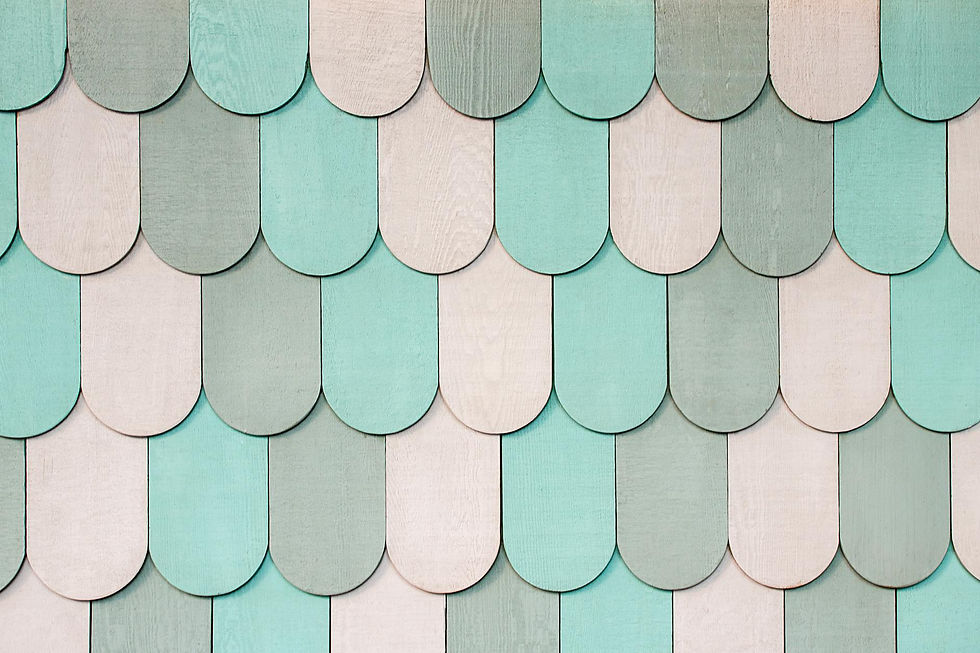
Rain screen cladding offers a wide range of design options, allowing architects to create visually stunning and unique facades. From sleek metal panels to warm wood finishes, the possibilities are virtually endless. The system also provides a uniform and consistent appearance, enhancing the overall curb appeal of the building. The aesthetic flexibility makes rain screen cladding a popular choice for both new construction and renovations.
Improved Indoor Air Quality
By preventing mold growth and moisture accumulation, rain screen cladding contributes to improved indoor air quality. Mold can release harmful spores into the air, causing respiratory problems and other health issues. A dry, well-ventilated wall system helps to minimise this risk, creating a healthier and more comfortable indoor environment for occupants.
Reduced risk of mold and mildew growth.
Minimisation of volatile organic compounds (VOCs) associated with moisture damage.
Healthier indoor environment for occupants.
Noise Reduction
The added layer of the rain screen system can also contribute to noise reduction, both from external sources entering the building and from internal sounds escaping. This is particularly beneficial in urban environments or near busy roadways. The air cavity helps to dampen sound waves, creating a quieter and more peaceful indoor environment.
Considerations When Choosing a Rain Screen Cladding System
While rain screen cladding offers numerous benefits, it's essential to consider a few factors when selecting a system for your project.
Material Selection
The choice of cladding material will impact the system's performance, aesthetics, and cost. Consider factors like durability, weather resistance, maintenance requirements, and environmental impact. Common materials include metal (aluminium, steel, zinc), wood, fibre cement, and composite panels. Each material offers unique advantages and disadvantages.
Proper Installation
Proper installation is crucial for ensuring the system's effectiveness. Work with experienced contractors who are familiar with rain screen cladding systems and follow the manufacturer's instructions carefully. Incorrect installation can compromise the system's performance and lead to moisture-related problems.
Cost Considerations
Rain screen cladding systems typically have a higher upfront cost compared to traditional cladding methods. However, the long-term benefits, such as reduced energy consumption and extended building lifespan, often outweigh the initial investment. Conduct a thorough cost-benefit analysis to determine the best option for your project. Consider life cycle costing rather than just initial costs.
Integrating Rain Screen Cladding for Optimal Performance
To maximise the benefits of a rain screen cladding system, consider these best practices:
Ensure proper ventilation within the cavity.
Use high-quality materials that are resistant to moisture and UV damage.
Design the system to allow for proper drainage.
Regularly inspect and maintain the system to prevent problems.
Select materials that comply with local building codes and regulations.
Conclusion
Rain screen cladding offers a powerful and effective solution for protecting buildings from the elements while enhancing their energy efficiency, aesthetic appeal, and longevity. The rain screen cladding system benefits are undeniable, contributing to a healthier, more sustainable, and more durable built environment. By understanding the principles behind rain screen technology and carefully considering material selection and installation, you can unlock the full potential of this innovative cladding system. Don't wait; explore how rain screen exterior cladding can transform your next project and safeguard your investment for years to come. Contact a qualified rain screen cladding specialist today to discuss your specific needs and explore the possibilities.


Comments